NDx
PRECISION NEUROLOGY

AI-enabled multi-omic blood tests for neurodegenerative diseases

We turn a routine blood draw into a real-time readout of brain health.
So drug developers enroll the right patients and learn sooner whether a therapy works.

Ze Yang CATALYST · SEPT 2026
The problem

The measurement gap in neurodegenerative diseases

— hampers drug development, clinical monitoring, and ultimately patient care.
The scope
57M
living with dementia · ~10M new cases/yearWHO
1,023
ongoing ND drug trials · 678 in Phase 2/3CT.gov
$1.3T
annual global cost of dementiaWHO
How we measure today
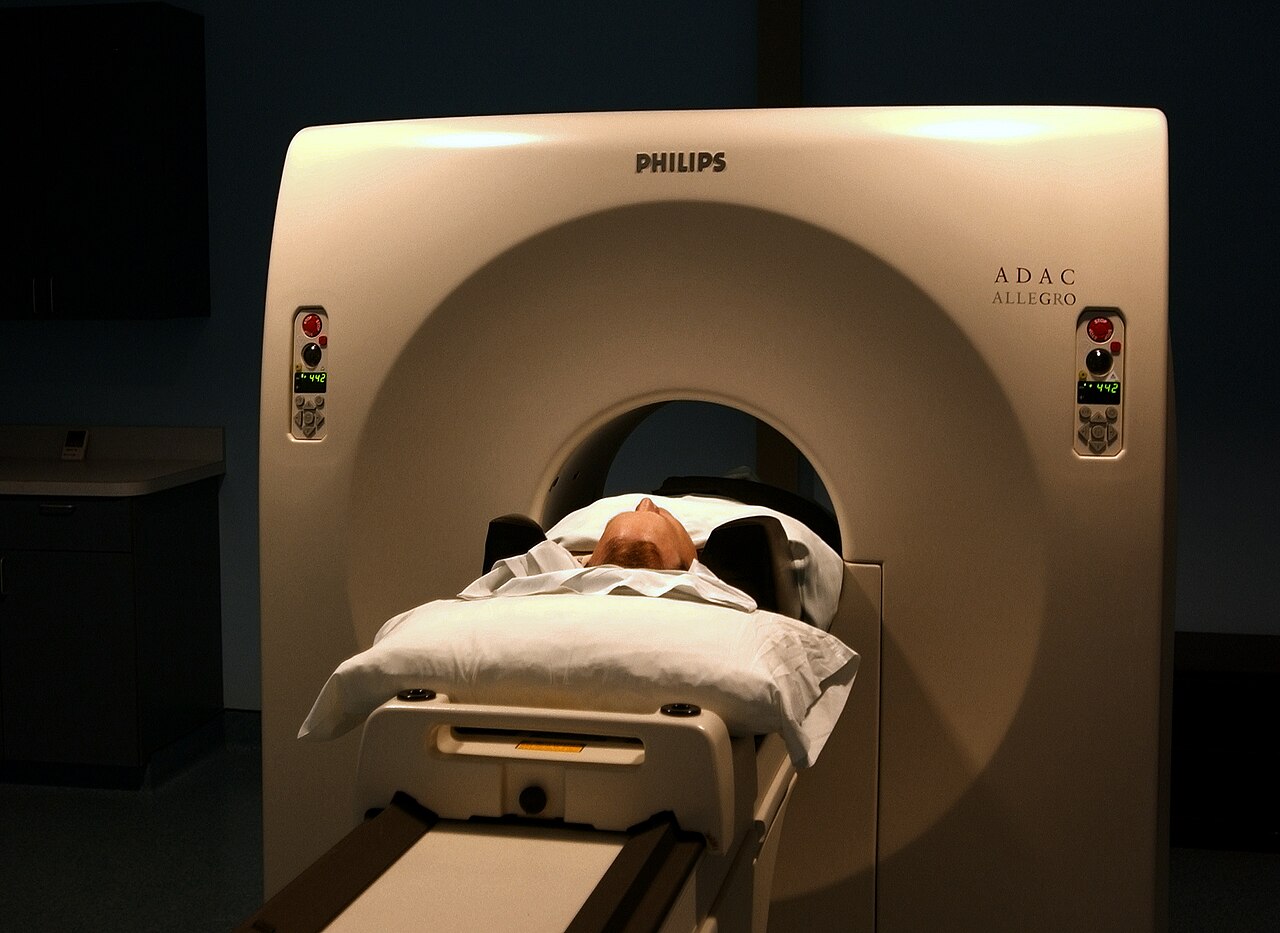
A patient entering a PET scanner
Amyloid PET
~$5,000 / scan
Too expensive and scanner-boundUSC
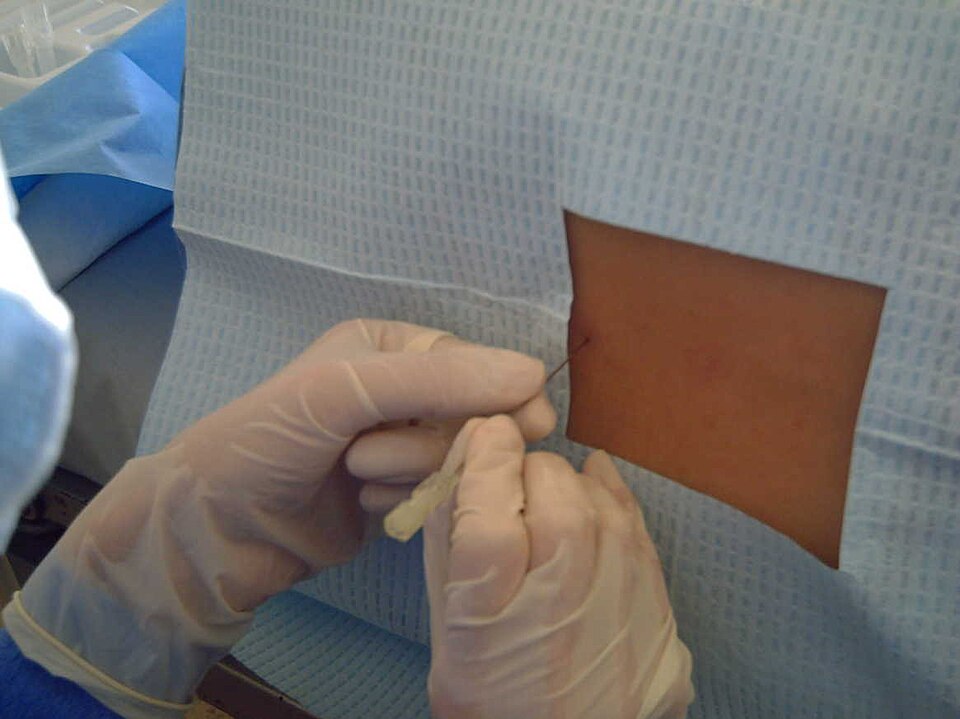
A lumbar puncture performed through a sterile drape
CSF / lumbar puncture
75% → 64%
Invasive — drops enrollment willingnessPMC
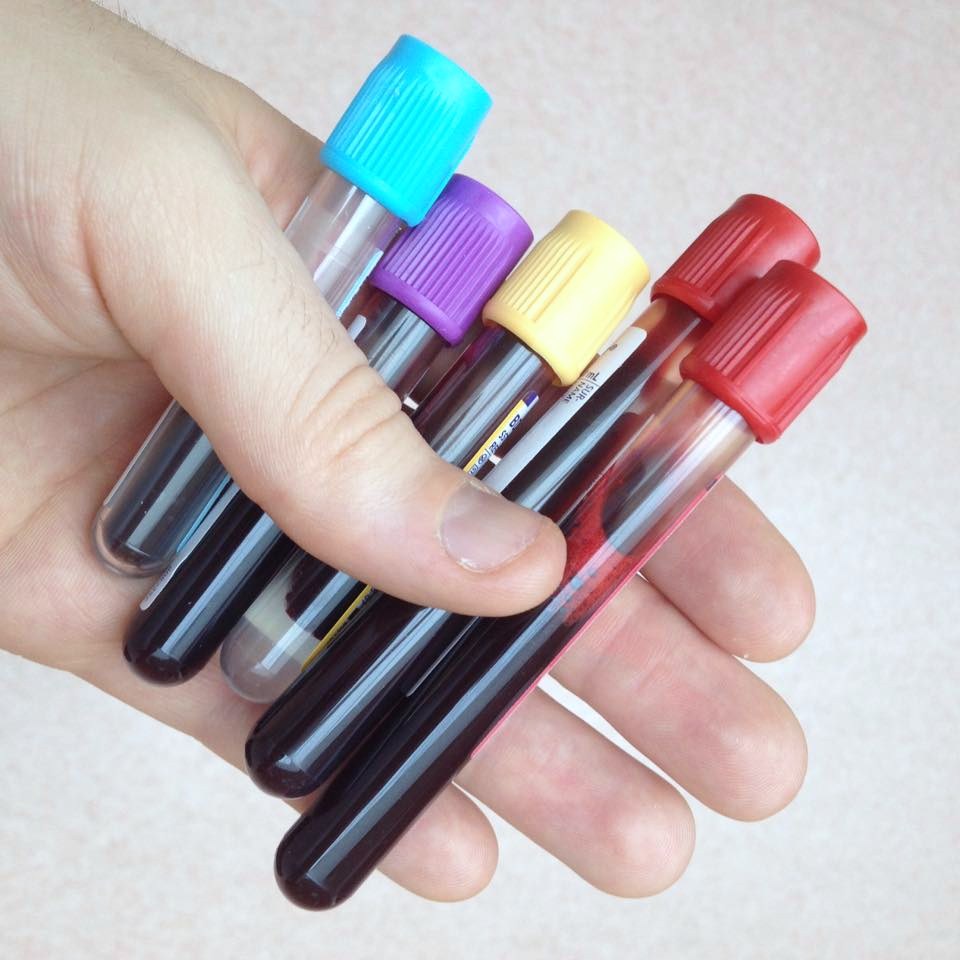
A hand holding several blood collection tubes
Plasma pTau217
1 analyte
Amyloid only, AD only — doesn't generalizeFDA
Who pays for it
Drug developers
>70% screen-fail, then 12–18 mo to a clinical-scale readoutAlz&Dem
Clinicians
3 in 4 dementia cases go undiagnosed — and no objective way to monitorADI
Patients
Months of waiting before a symptom scale can register whether anything has changed
One root cause across every disease: no scalable, longitudinal readout of brain biology.
Images via Wikimedia Commons — PET: U.S. Navy, public domain · LP: Dragondefuego1976, CC BY-SA 4.0 · Tubes: Tannim101, CC BY 3.0
The solution

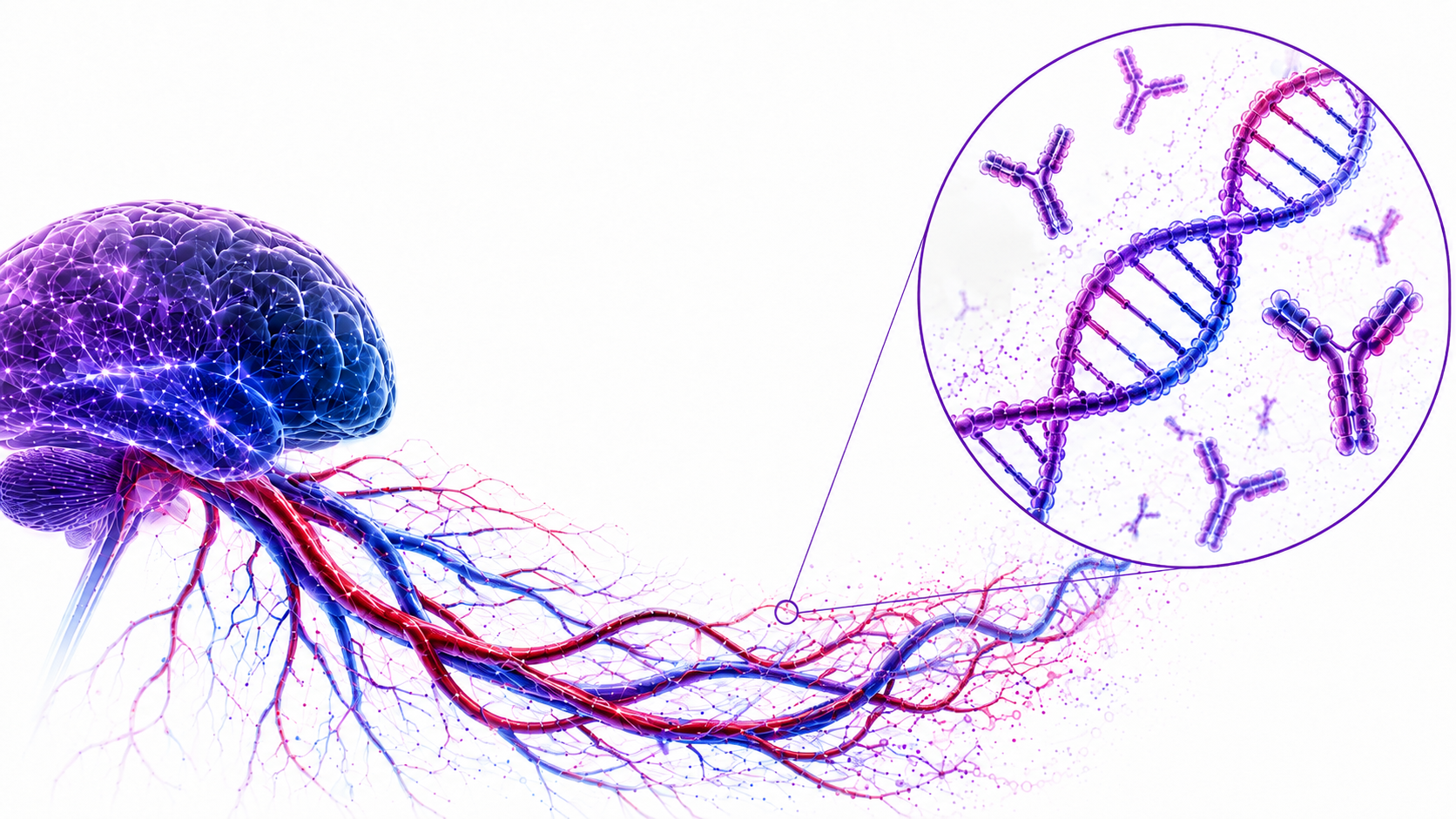
AI-powered blood diagnostics for precision neurology

Decoding multi-omic brain signals to stratify patients, track progression, and inform treatment development.
Start
Plasma sample

A simple blood draw — universally accessible, repeatable over time

Two complementary signals
cfDNA methylation

Direct molecular readout of brain-cell death — which tissue is dying, right now

Autoantibody profile

Immune response to that damage — biologically amplified, patient-specific

AI integration · two-fold
Agentic workflow

Runs the analysis end to end — an intelligent, efficient and generalizable flow from raw assay data to the finished report

Multimodal AI model

Consumes the multi-omic data together and turns it into diagnostic scores — more than either assay carries alone

Unified platform
Patient stratification

Who should enroll, and how should patients be grouped biologically

Progression monitoring

How disease biology is changing during treatment, sample to sample

First-principle biological foundation with platform potential
Pilot study data

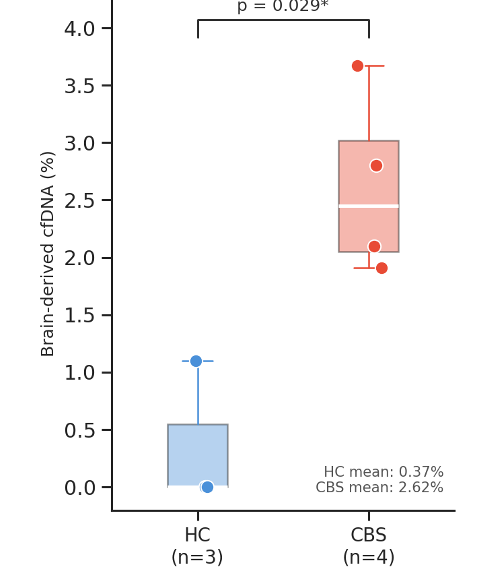
cfDNA methylation measures brain degeneration directly at the molecular level

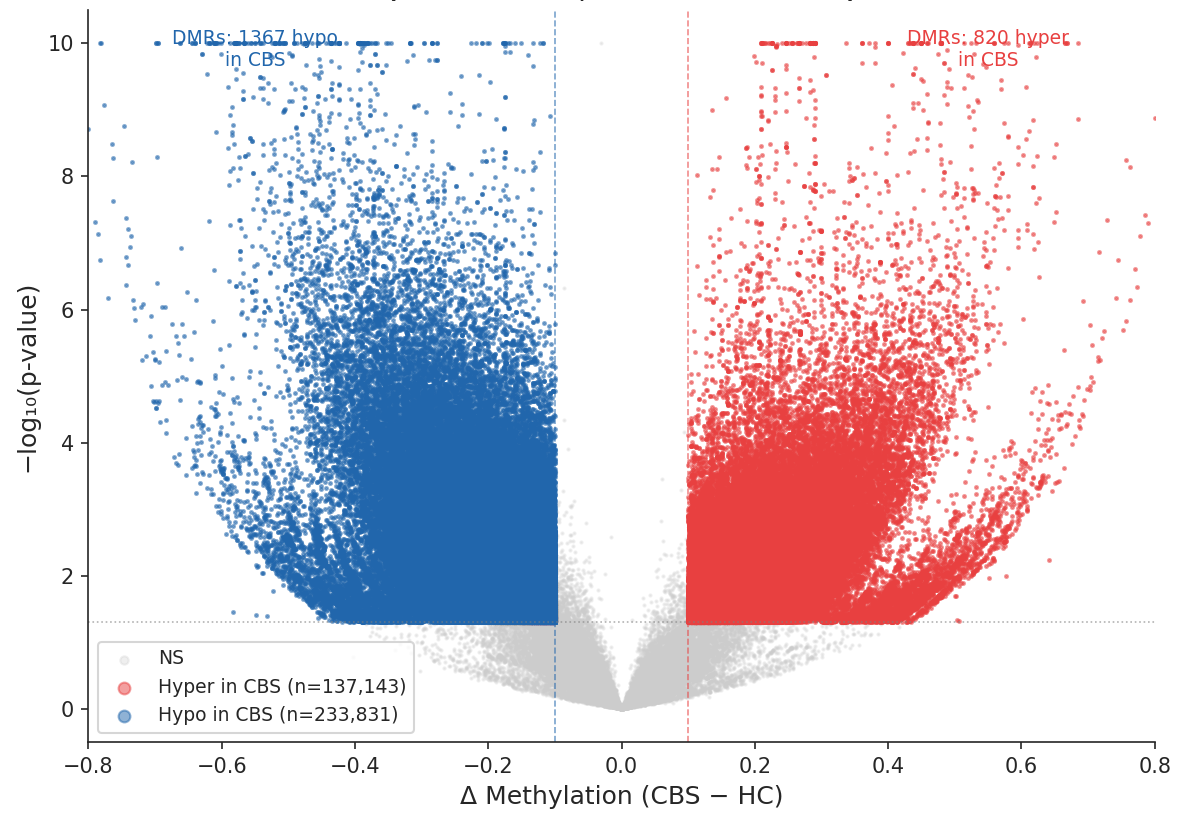
4 CBS participants + 3 healthy controls · plasma cfDNA methylation (5mC) profiling
Significant brain-derived signal
Broad biomarker discovery
Biomarker with biological resolution
Brain-derived cfDNA fraction, CBS versus healthy controls
CpG-level differential methylation volcano plot, CBS versus healthy controls
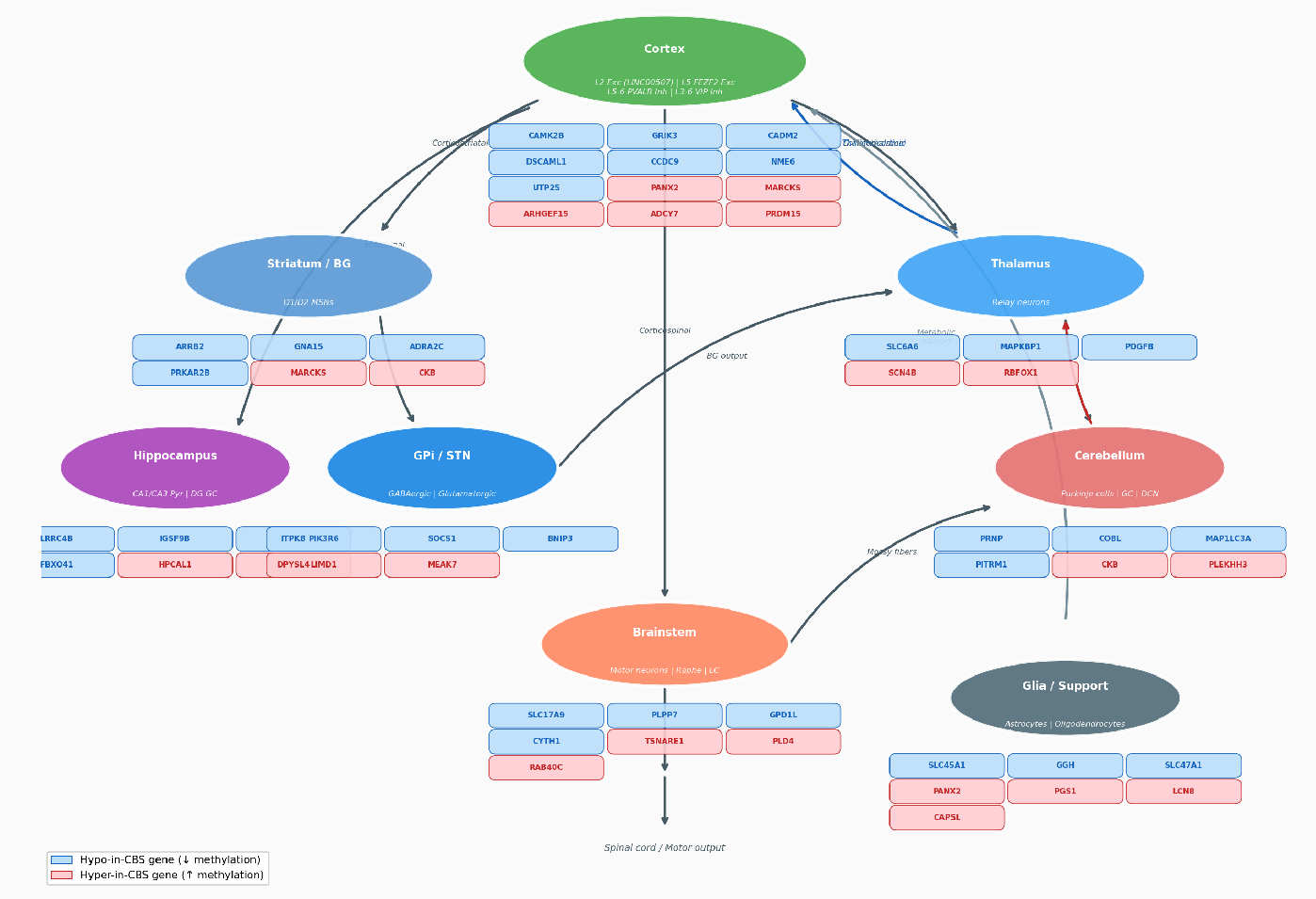
CBS cfDNA 5mC brain circuit map across 90 brain-fraction DMR genes Cortex Striatum/BG Thalamus Hippocampus GPi/STN Cerebellum Brainstem Glia/Support
CBS: corticobasal syndrome.
Pilot study data

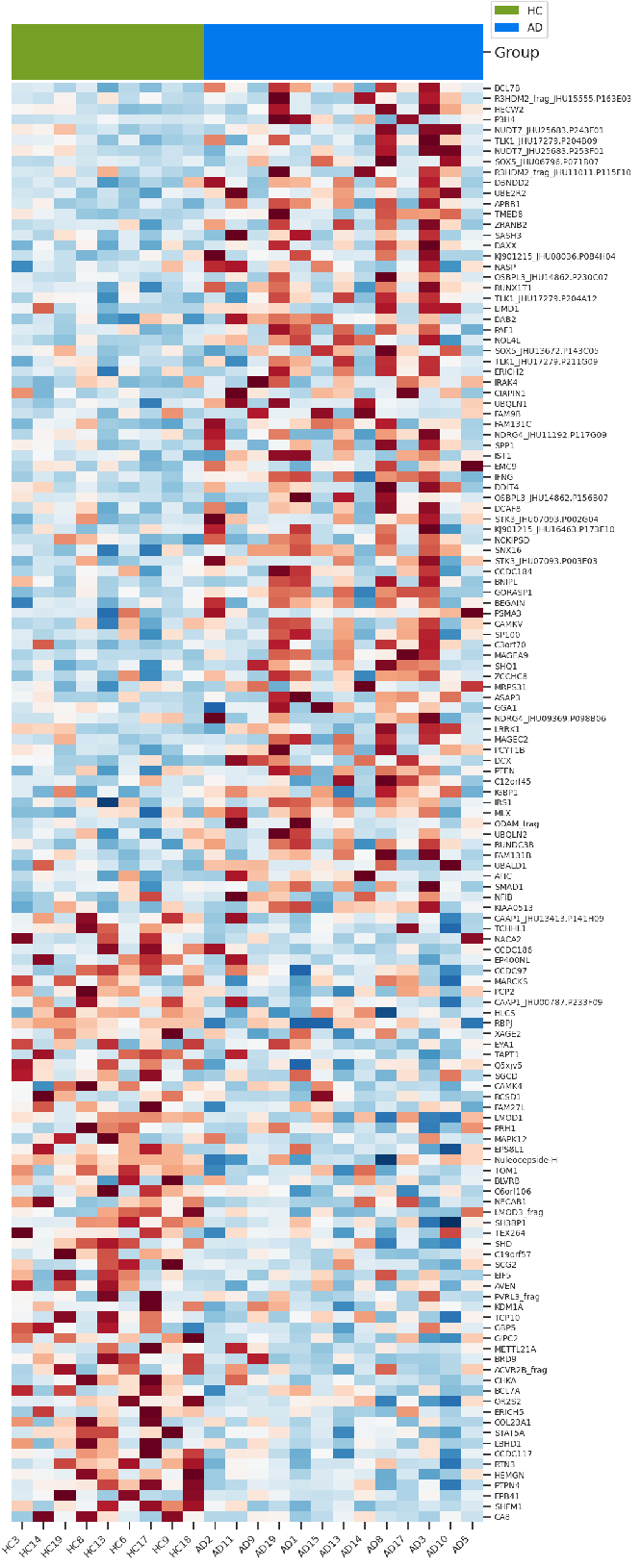
Autoantibody profiles measure immune heterogeneity and brain degeneration indirectly

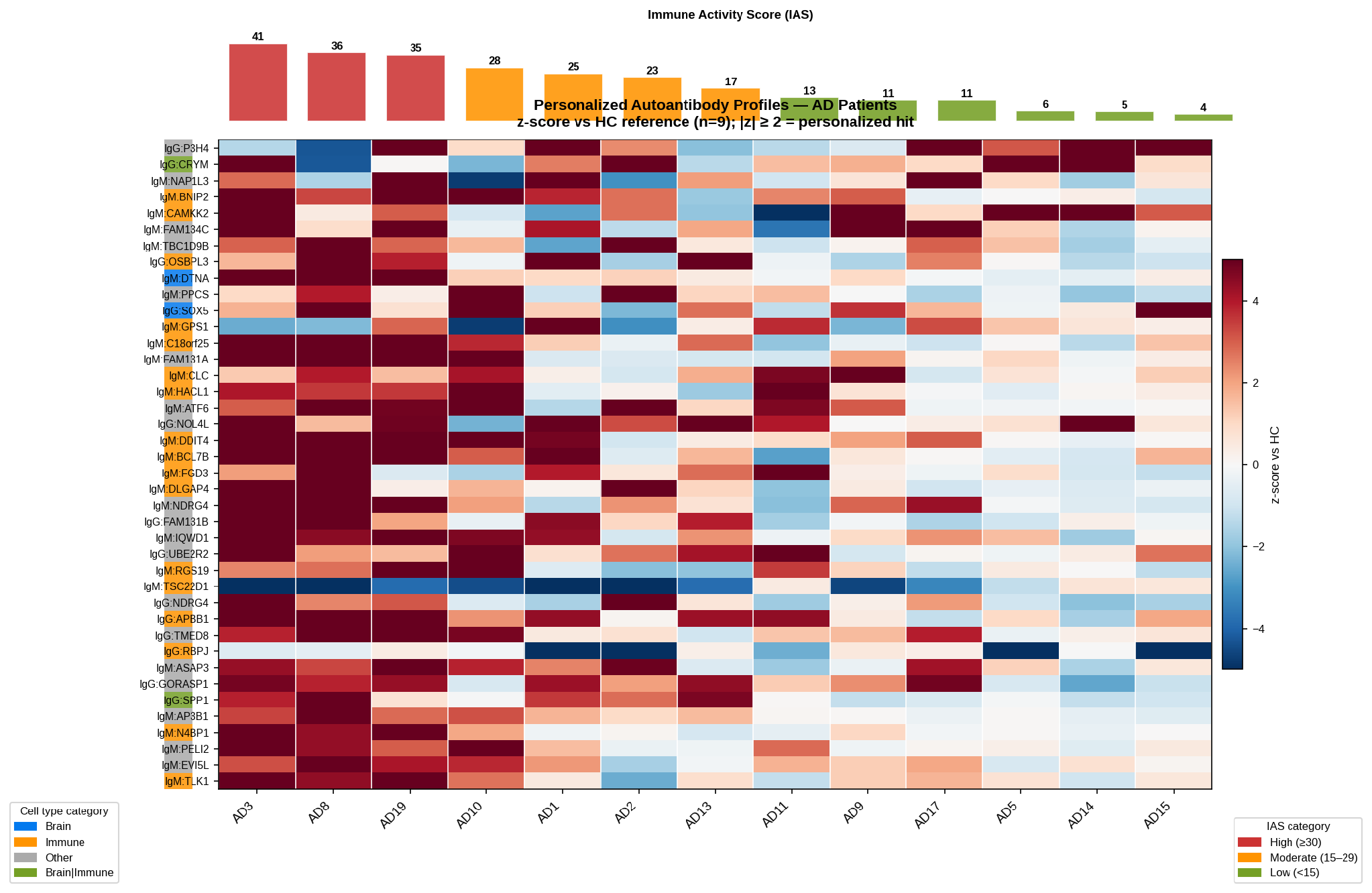
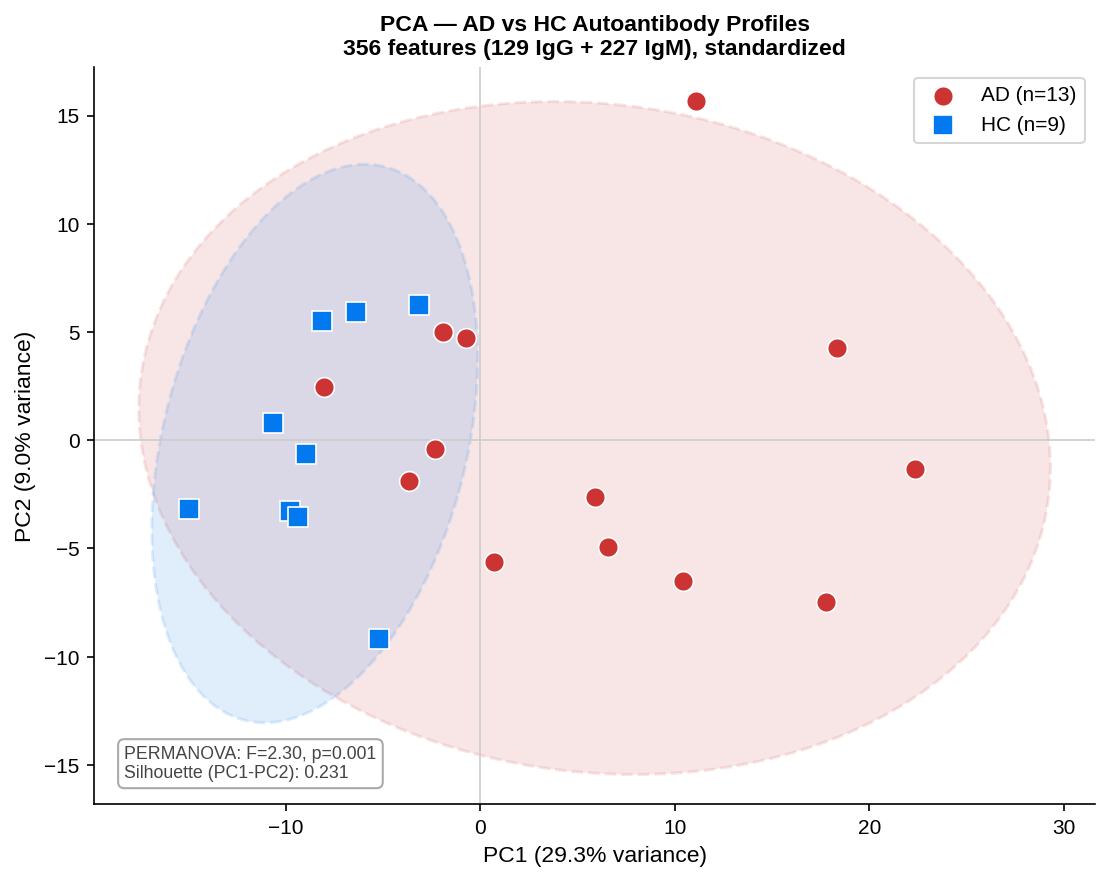
Shown: 13 AD participants + 9 healthy controls · IgG/IgM autoantibody profiling
Discover candidate biomarkers
Reveal patient-level variation
Compare disease-associated profiles
Clustered heatmap of 137 confirmed autoantibody hits, AD versus healthy controls
Personalized autoantibody profiles across AD patients
PCA of AD versus healthy-control autoantibody profiles
Overall study: 60 samples across AD, PD and healthy controls.
Why both

Two measurements combined give the full picture

Complementary biology, complementary timescales.

cfDNA methylation
Brain degeneration
Direct readout of dying brain cells
Extreme analytical sensitivity
Real-time monitoring
Limited historical context
Autoantibody profile
Immune response
Biological amplification of weak signal
Personalized disease fingerprint
Persistent immune signature
Limited timing precision
Combined approach
One integrated report per patient, per timepoint
NDx Multi-omic Patient Report PT‑0143 · VISIT 3 · ILLUSTRATIVE
Brain readout · cfDNA
Brain fraction 2.6%
Cortex ↑ 1.9×
Striatum / BG ↑ 1.3×
Cerebellum n.s.
Longitudinal monitoring
AI diagnostic scores
78 /100 Alzheimer's disease High
34 /100 immune activity Moderate
AD subtype likelihood
Limbic-pred. 0.61
Typical 0.25
Hipp.-sparing 0.14
Model v1.2 · locked, versioned, traceable
Clinical context
68 F · MCI, first referral 2025-08
History: hypertension; family history of AD
Cognitive: MoCA 23 → 21 over 12 months
Trial fit: meets biological entry criteria
Neither assay alone answers a pharma question. The paired readout is the product.
Pharma applications

One blood-based platform.
Two critical trial decisions.

For neurodegeneration drug developers.

1
Patient selection
& stratification

Who should enroll, and how should patients be grouped?

Intended benefits
More targeted screening
Biologically informed patient groups
Lower screening burden and cost
Decision it serves — who enters the trial
2
Longitudinal
monitoring

How is disease biology changing during treatment?

Intended benefits
Repeatable molecular measurements
Potential earlier treatment-response signals
Better-informed go/no-go decisions
Decision it serves — is the therapy working
Proposed applications; clinical utility and longitudinal performance to be validated.
Competitive advantages

NDx's competitive edge in precision neurology

NDx Other multi-omic platforms PET / CSF Single-protein blood marker
Proprietary multi-disease data ✓ ✓ Limited Limited
Dual biological readout
epigenetics + immune
✓ ✕ ✕ ✕
AI integration ✓ ✓ ✕ ✕
Pan-neurodegeneration potential ✓ Varies ✕ Varies
Only NDx pairs two orthogonal biological readouts from a single blood draw and integrates them with a model trained on its own multi-disease data.
Our current state

Human proof-of-concept completed —
ready for validation

~60-patient, 2-year pilot completed
Initial multi-omic human dataset generated
Core 5mC + autoantibody workflows established
Automated AI-assisted pipeline established
Stanford biobank collaborations
Stanford OTL disclosure + docket
Established assay-to-report workflow
Blood draw 10 mL, phlebotomy cfDNA extraction Plasma isolation WGBS or panel Methylation sequencing Bioinformatics pipeline DMR calling + NNLS deconvolution Brain fraction + DMR cfDNA methylation signature Serum separation Serum isolation HuProt array assay Autoantibody-antigen profiling Autoantibody analysis Differential reactivity + signature scoring Autoantibody score Serum autoantibody signature Clinical report AI-fused score · diagnosis / monitoring
Signal extraction is demonstrated in human plasma. Next is validation at scale.
Catalyst milestones

Catalyst milestones for a pharma pilot

Milestone
Success criteria
I
Establish paired value

AI integrates cfDNA methylation + autoantibodies. The locked model adds value over either assay alone in held-out participants.

II
Establish longitudinal relevance and reliability

Biomarker changes associate with clinical change. Replicates and batches meet predefined QC criteria.

III
Prepare a defined pharma pilot

Prioritize the first indication and use case. Deliver an assay-to-report workflow with a locked AI model, evidence package and pilot protocol.

Proposed study: 160 participants × 2 timepoints = 320 plasma samples.
40 per group — AD · PD · ALS · controls Baseline + 12 months Both assays per sample
12-month execution plan

Concrete 12-month plan to build and validate the prototype

MONTH
012 345 678 91011 12
Paired dataset and assay QC
M0–6
Confirm banked samples and clinical metadata
Profile both assays, measure repeatability
Paired value and longitudinal relevance
M4–9
Develop and validate the AI integration model
Test added value and clinical-change associations
Prepare a defined pharma pilot
M8–12
Lock the assay-to-report workflow and AI model
Finalize first use case, evidence and pilot protocol
AI Research Assistant prototype QC and candidate prioritization
Pharma discussions shape the use case and pilot requirements
Deliverable
QC-qualified paired
dataset
AI validation report +
first application
Locked model + pilot
evidence package
The business model

Integrated Precision Medicine
Business Flywheel

1 2 3 4 Accelerated Growth Flywheel Every sample sharpens the next readout 1 · PHARMA SERVICES Accelerate trial enrollment Upfront + per-sample fees 2 · PROPRIETARY DATA In-house multi-omic pipeline Data licensing + insights 3 · CDx PARTNERSHIPS Co-develop targeted assays Clinical + regulatory milestones 4 · CLINICAL TESTING FDA-cleared rollout to neurologists Recurring reimbursement
1
Pharma servicesAccelerate trial enrollment · upfront + per-sample fees
2
Proprietary dataIn-house multi-omic pipeline · data licensing + insights
3
CDx partnershipsCo-develop targeted assays · clinical + regulatory milestones
4
Clinical testingFDA-cleared rollout to neurologists · recurring reimbursement

Accelerated Growth FlywheelEvery sample sharpens the next readout.

Revenue funds data · data improves the model · a better model wins the next contract.
Team

Built to take biomarkers from
discovery to clinics

Wet lab, computational biology and ML product — with the clinical access to run the study.

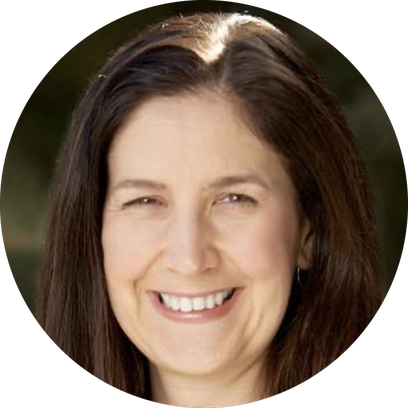
Ze Yang
CEO
Ze Yang
Multi-omics & wet lab
Scientist, Stanford University
PhD, Stanford University
Daniel Zheng
CTO
Daniel Zheng
AI & Product
Siri AI Engineer, Apple
Ex-CTO, Utopia Studios
Siyu He
CSO
Siyu He
AI & computational biology
Postdoc, Stanford University
PhD, Columbia University
Kathleen Poston
Advisor
Kathleen Poston
Clinics & biomarkers
Professor of Neurology
Stanford Medicine
Our ask

Funding and expertise for our first pharma pilot

Proposed 12-month project budget
Multi-omic profiling $400K 40%
Project personnel $360K 36%
AI scientist development + cloud $115K 11.5%
Validation, regulatory, QC & translation $125K 12.5%
Catalyst support requested
Pharma connections

Reach biomarker decision-makers and shape the first pilot with partner input

Validation and regulatory guidance

Define fit-for-purpose evidence requirements and a regulatory roadmap for the intended use

Commercialization support

Refine the business model and OTL licensing path, and prepare for follow-on funding

WHAT CATALYST ENABLES

A reproducible blood biomarker platform prototype ready for a defined pharma pilot

Helping drug developers understand how disease biology differs between patients and changes over time.

yangze@stanford.edu
Stanford OTL invention disclosure: S26-188 · patent and licensing path to clarify with OTL
01 / 15
←→ navigate · O overview · F fullscreen

NDx Catalyst · Overview